Dietary Guidelines Rally
U.S. Department of Health and Human Services
The Future of Nutrition Education
U.S. Department of Health and Human Services
Introducing ACCESS
U.S. Department of Health and Human Services
Healthy Eating
Centers for Disease Control and Prevention (CDC)
Eating for good health
Centers for Disease Control and Prevention (CDC)
Chronic Disease
Centers for Disease Control and Prevention (CDC)
Making Rehabilitation Decision After Stroke
American Heart Association / American Stroke Association
Survived a heart attack? How to heal in the first 90 days
University of Ottawa Heart Institute
The First 90 Days After a Heart Attack: Hospitalization & Discharge
American Heart Association
AHA/ASA Guidelines for Adult Stroke Rehabilitation and Recovery: The Rehabilitation Program
American Heart Association
Risk Factors for Heart Disease: Blood Pressure
University of Ottawa Heart Institute
Risk Factors for Heart Disease: Exercise
University of Ottawa Heart Institute
Understanding Type 2 Diabetes
Diabetes Canada
The Basics of Healthy Eating & Diabetes
Diabetes Canada
Really? — Diabetes Canada
Diabetes Canada
Eating Well with Type 2 Diabetes
Diabetes Canada
Heart Health Tips: Exercise Introduction
University of Ottawa Heart Institute
Risk Factors for Heart Disease: Cholesterol
University of Ottawa Heart Institute
Cardiovascular Disease / Heart Disease Risk Factors
University of Ottawa Heart Institute
Nutrition / Cardiovascular Health
University of Ottawa Heart Institute
Risk Factors for Heart Disease: Stress
University of Ottawa Heart Institute
Canada’s Healthy Eating Strategy
Health Canada | Government of Canada
What is Fatty Liver Disease?
Canadian Liver Foundation
NAFLD / Fatty Liver Risk / Metabolic Health
Canadian Liver Foundation
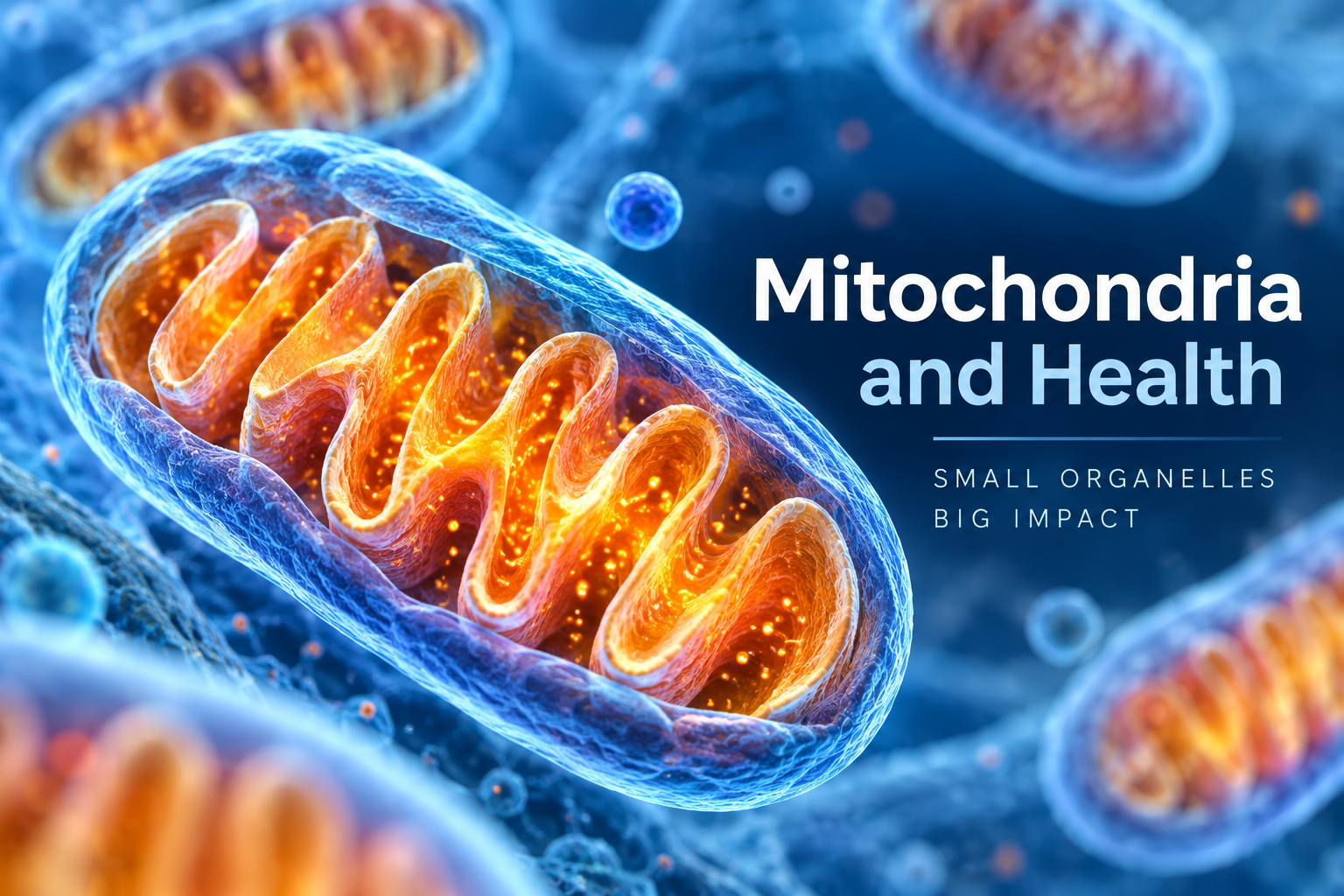
CELLULAR HEALTH · HEALTH EDUCATION
Mitochondria and Health
Platform Published
Mitochondria are essential cellular structures that produce energy and support many biological processes. Research is revealing how mitochondrial function influences health, aging, and disease.
National Institutes of Health (NIH)
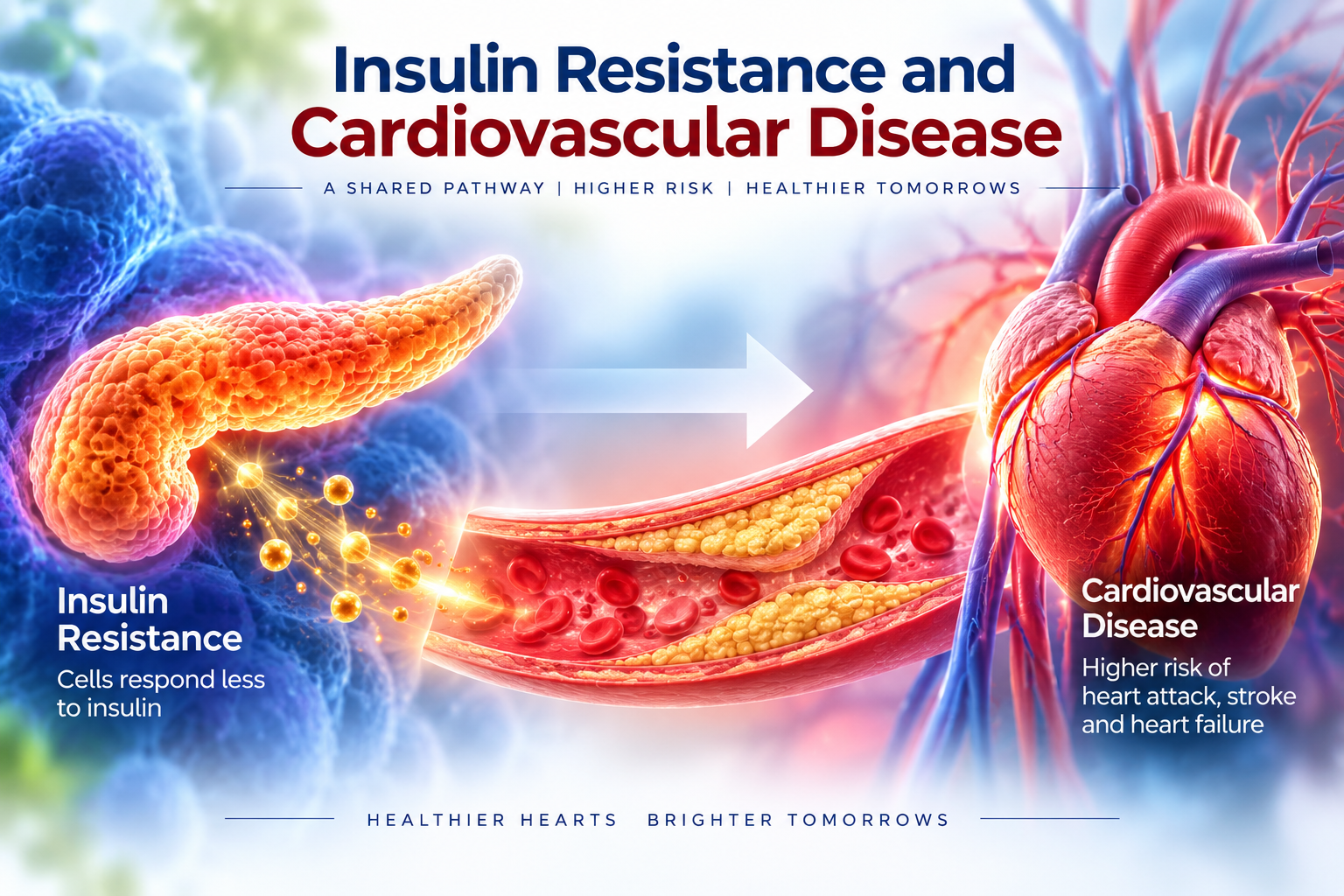
CARDIOVASCULAR & METABOLIC HEALTH · SCIENTIFIC REVIEW
Insulin Resistance and Cardiovascular Disease
Platform Published
Insulin resistance is a major metabolic abnormality linking type 2 diabetes, obesity, metabolic syndrome, and cardiovascular disease. It can contribute to endothelial dysfunction, inflammation, abnormal lipid metabolism, and other changes that increase cardiovascular risk.
Peer-Reviewed Scientific Review
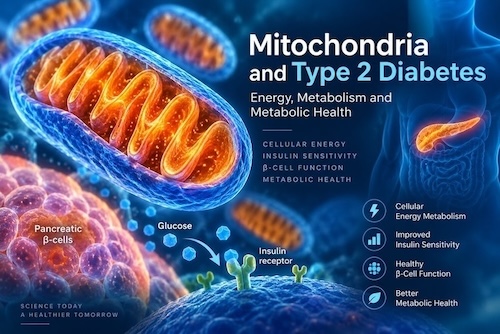
METABOLIC HEALTH · SCIENTIFIC REVIEW
Mitochondria and Type 2 Diabetes
Platform Published
Mitochondrial dysfunction is closely associated with type 2 diabetes, affecting cellular energy metabolism, insulin sensitivity, and pancreatic β-cell function across multiple tissues.
American Journal of Physiology
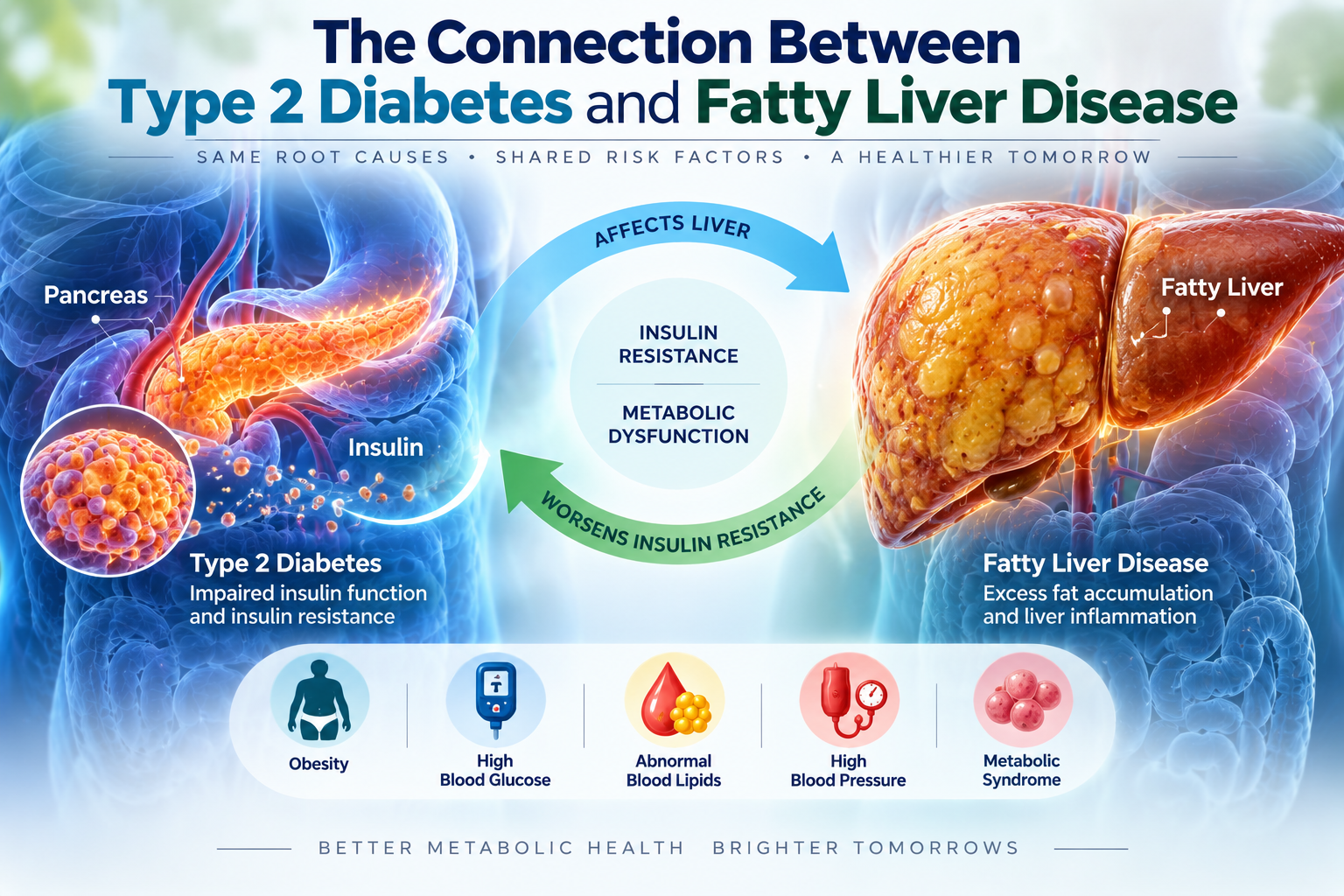
DIABETES & LIVER HEALTH · CLINICAL EDUCATION
DIABETES & LIVER HEALTH · SCIENTIFIC REVIEW
Platform Published
Metabolic dysfunction associated fatty liver disease and type 2 diabetes: pathophysiological links, epidemiological trends, and clinical implications
Peer-Reviewed Scientific Review
LIVER & METABOLIC HEALTH · HEALTH EDUCATION
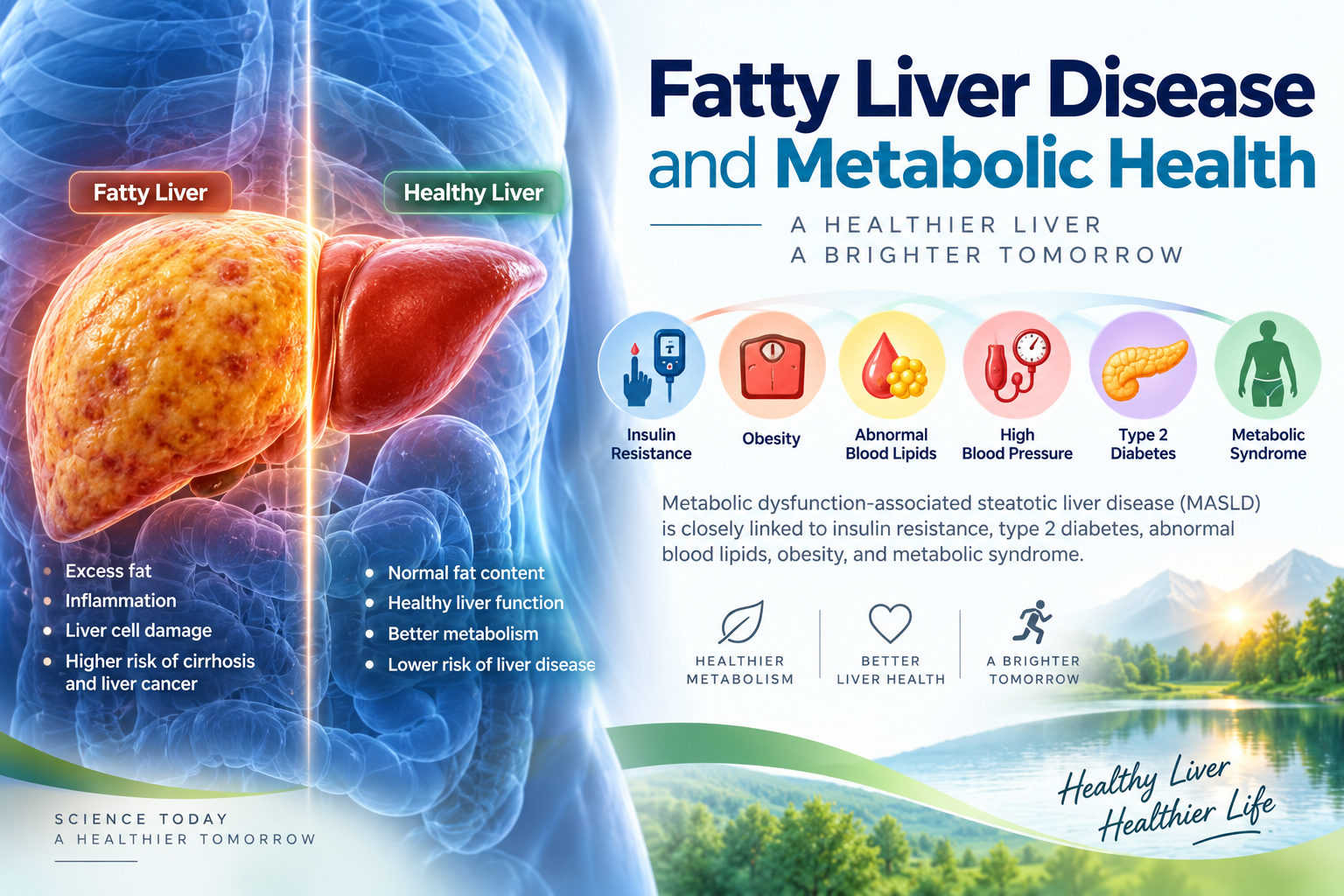
Fatty Liver Disease and Metabolic Health
Platform Published
Metabolic dysfunction-associated steatotic liver disease (MASLD) involves excess fat accumulation in the liver and is closely associated with insulin resistance, type 2 diabetes, abnormal blood lipids, obesity, and metabolic syndrome. Understanding these metabolic connections is important for preventing disease progression and protecting long-term liver health.
National Institute of Diabetes and Digestive and Kidney Diseases (NIDDK)
METABOLIC HEALTH · HEALTH EDUCATION
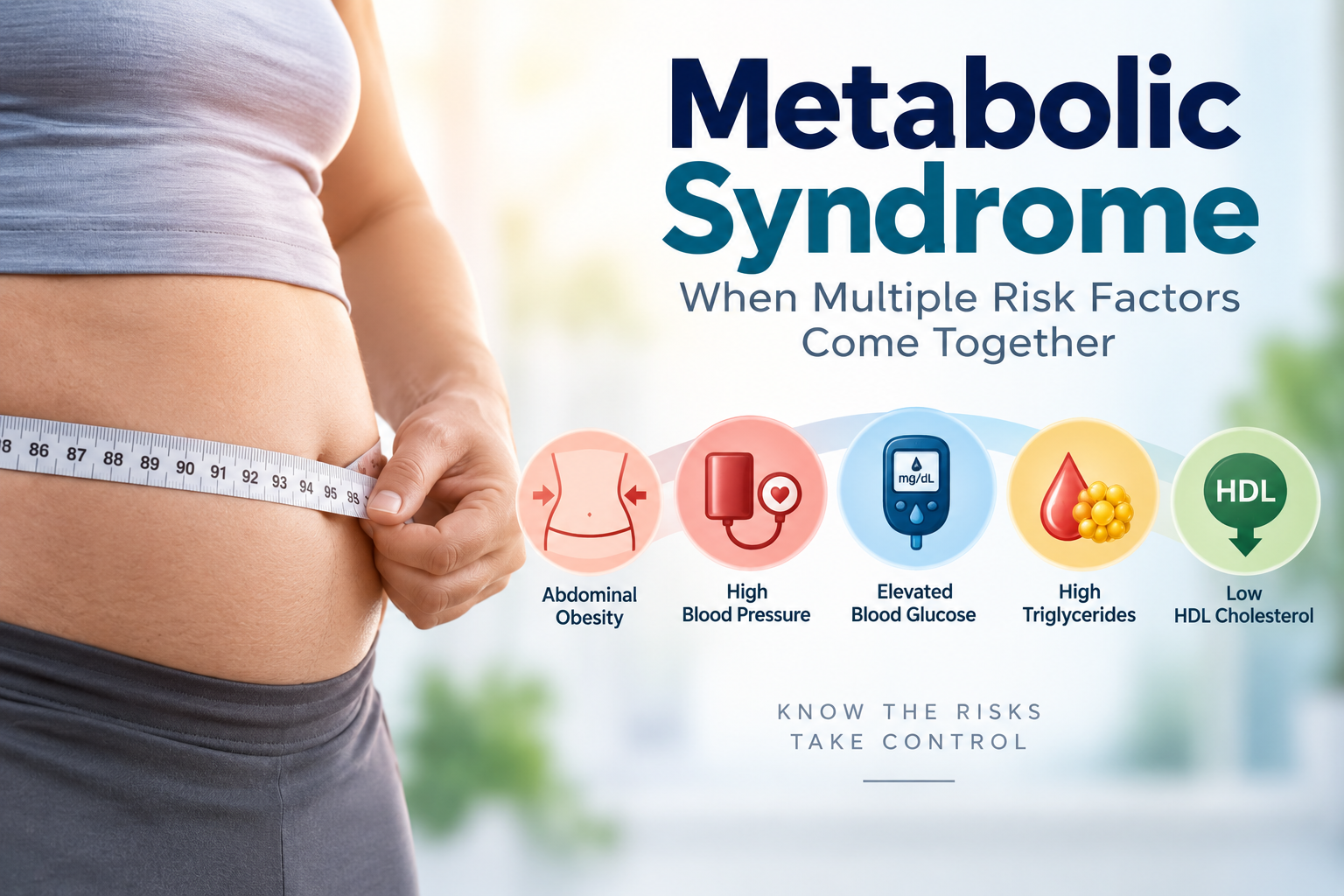
Metabolic Syndrome: When Multiple Risk Factors Come Together
Platform Published
Metabolic syndrome is a cluster of interconnected risk factors, including abdominal obesity, high blood pressure, elevated blood glucose, high triglycerides, and low HDL cholesterol. Together, these conditions increase the risk of cardiovascular disease, type 2 diabetes, stroke, and other serious health problems.
National Heart, Lung, and Blood Institute (NHLBI)
CARDIOVASCULAR HEALTH · SCIENTIFIC STATEMENT
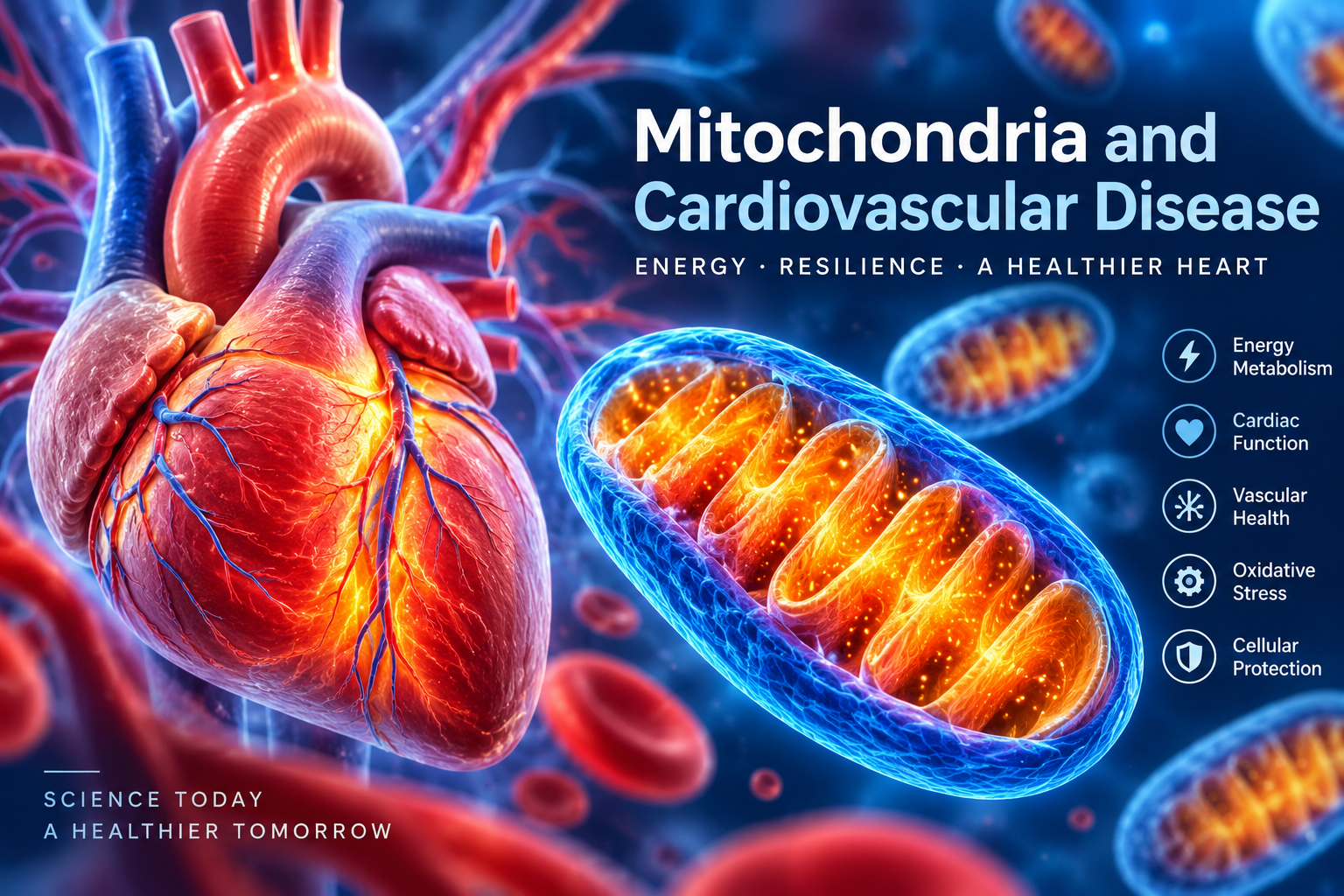
Mitochondria and Cardiovascular Disease
Platform Published
Mitochondria play a critical role in cardiovascular energy metabolism. Alterations in mitochondrial function are associated with oxidative stress, cardiac dysfunction, vascular abnormalities, and the development of cardiovascular disease.
American Heart Association
METABOLIC HEALTH · HEALTH EDUCATION
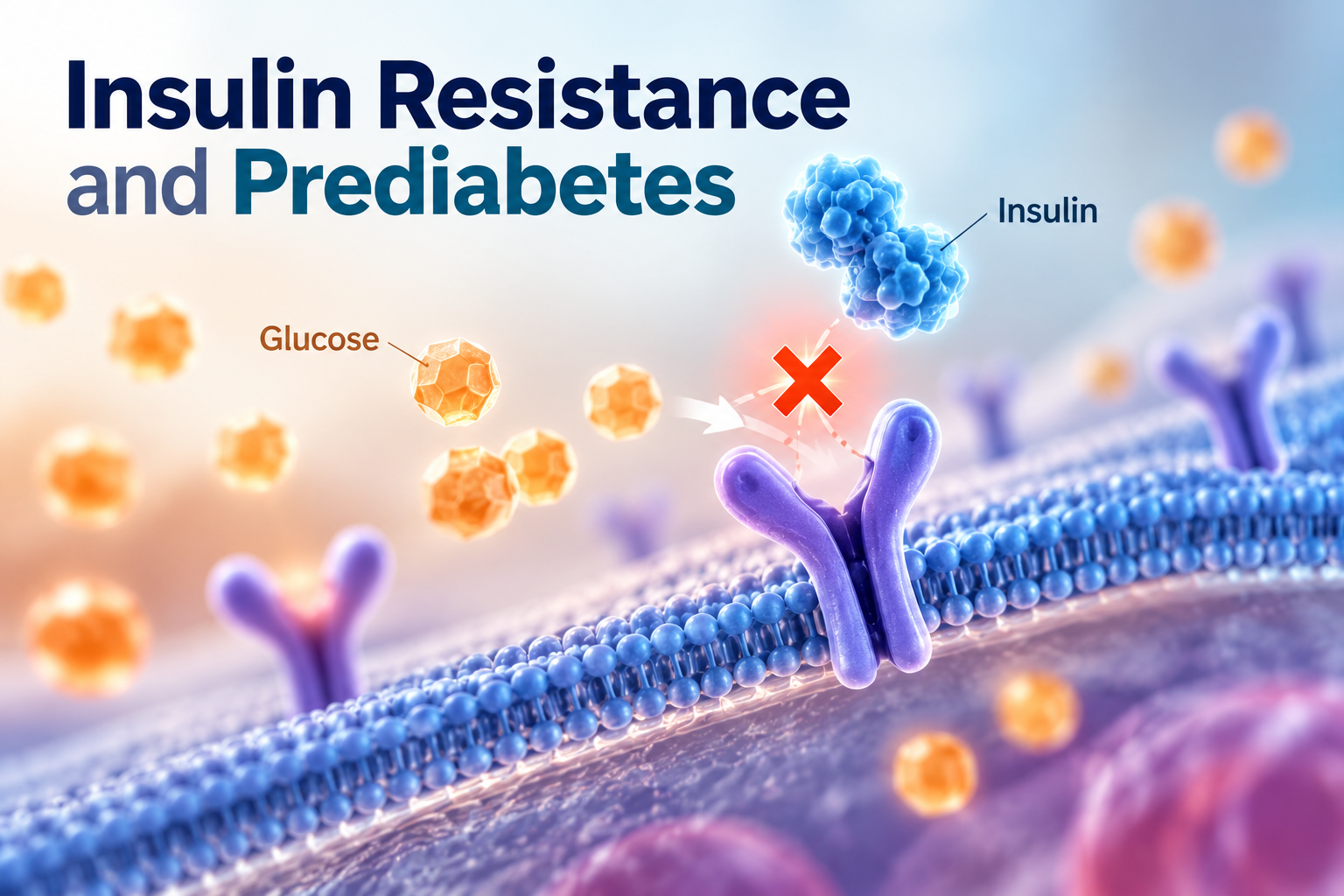
Insulin Resistance and Prediabetes
Platform Published
Insulin resistance occurs when cells in the muscles, fat, and liver do not respond effectively to insulin. It can contribute to elevated blood glucose and is closely associated with prediabetes, type 2 diabetes, metabolic syndrome, abnormal blood lipids, and fatty liver disease.
National Institute of Diabetes and Digestive and Kidney Diseases (NIDDK)
CELLULAR HEALTH · SCIENTIFIC REVIEW
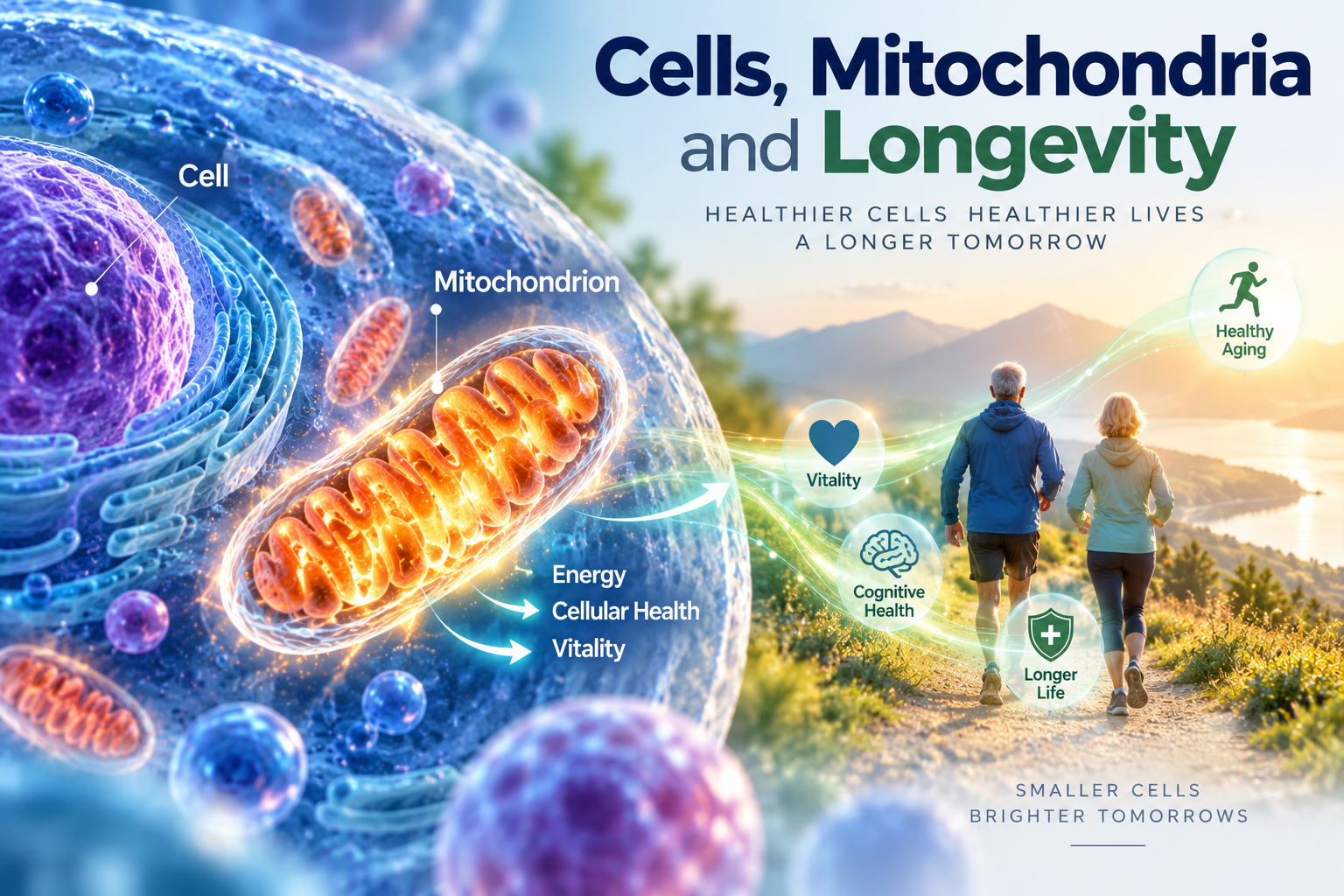
Mitochondrial Quality Control, Aging and Longevity
Platform Published
Mitochondria play central roles in cellular energy metabolism, stress responses, inflammation, and signaling. Maintaining mitochondrial quality through repair, turnover, and the removal of damaged mitochondria is increasingly recognized as an important component of healthy aging and metabolic resilience.
Nature Metabolism
DIABETES & LIVER HEALTH · CLINICAL EDUCATION
DIABETES & LIVER HEALTH · SCIENTIFIC REVIEW
Platform Published
Metabolic dysfunction associated fatty liver disease and type 2 diabetes: pathophysiological links, epidemiological trends, and clinical implications
Peer-Reviewed Scientific Review
DIABETES & LIVER HEALTH · SCIENTIFIC REVIEW
The Connection Between Type 2 Diabetes and Fatty Liver Disease
Platform Published
Metabolic dysfunction associated fatty liver disease and type 2 diabetes: pathophysiological links, epidemiological trends, and clinical implications
Peer-Reviewed Scientific Review
VASCULAR & METABOLIC HEALTH · SCIENTIFIC REVIEW
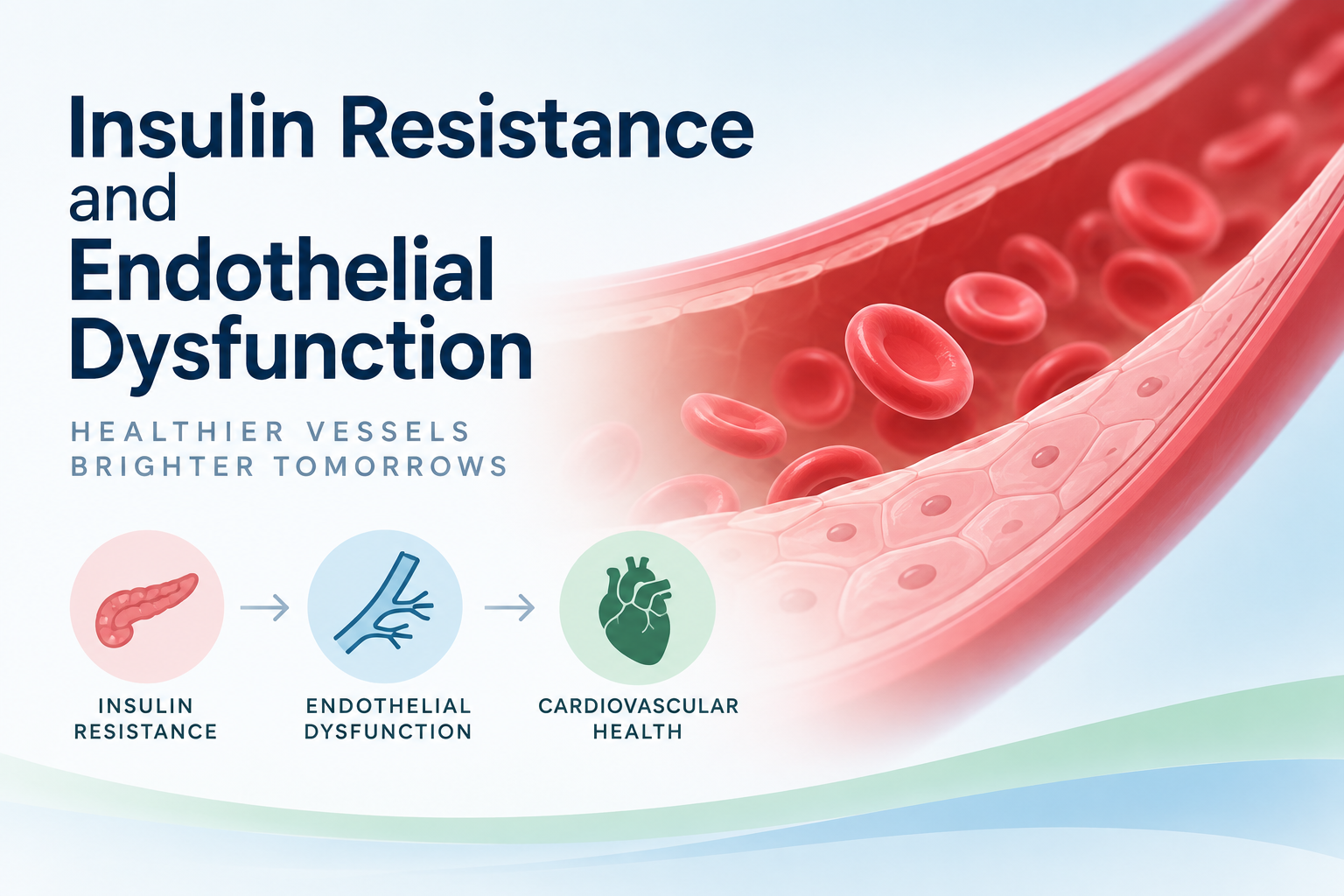
Insulin Resistance and Endothelial Dysfunction
Platform Published
Insulin resistance and endothelial dysfunction are closely interconnected abnormalities linking metabolic disorders with cardiovascular disease. Impaired insulin signaling in the vascular endothelium can reduce nitric oxide–mediated vasodilation and contribute to vascular dysfunction, inflammation, and the development of atherosclerosis.
Peer-Reviewed Scientific Review
VASCULAR & METABOLIC HEALTH · SCIENTIFIC REVIEW
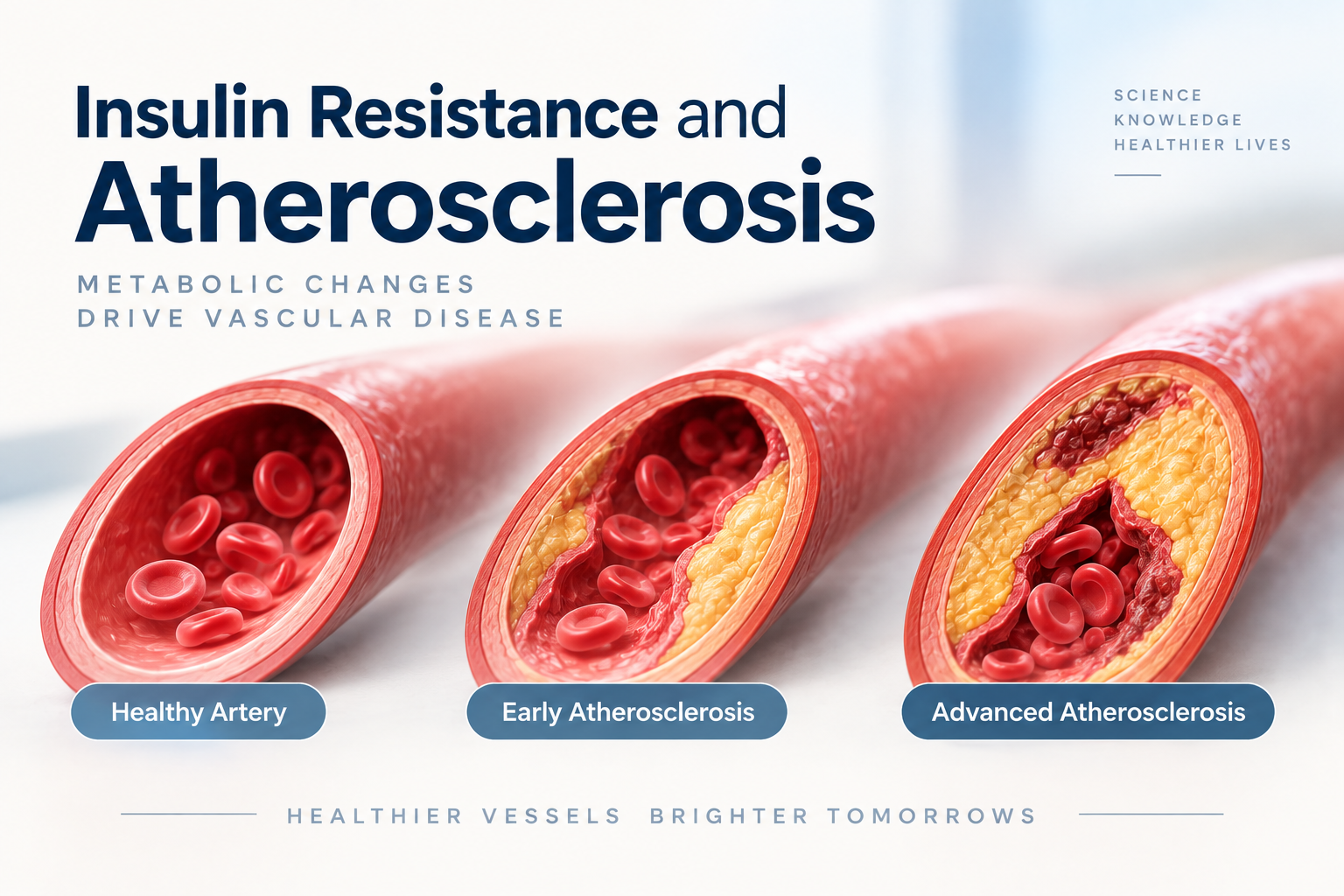
Insulin Resistance and Atherosclerosis
Platform Published
Insulin resistance can affect vascular function and contribute to the development of atherosclerosis through impaired insulin signaling, endothelial dysfunction, inflammation, oxidative stress, and abnormal lipid metabolism. These mechanisms help explain the close connection between metabolic disorders, type 2 diabetes, and cardiovascular disease.
Peer-Reviewed Scientific Review
CARDIOVASCULAR HEALTH · SCIENTIFIC REVIEW
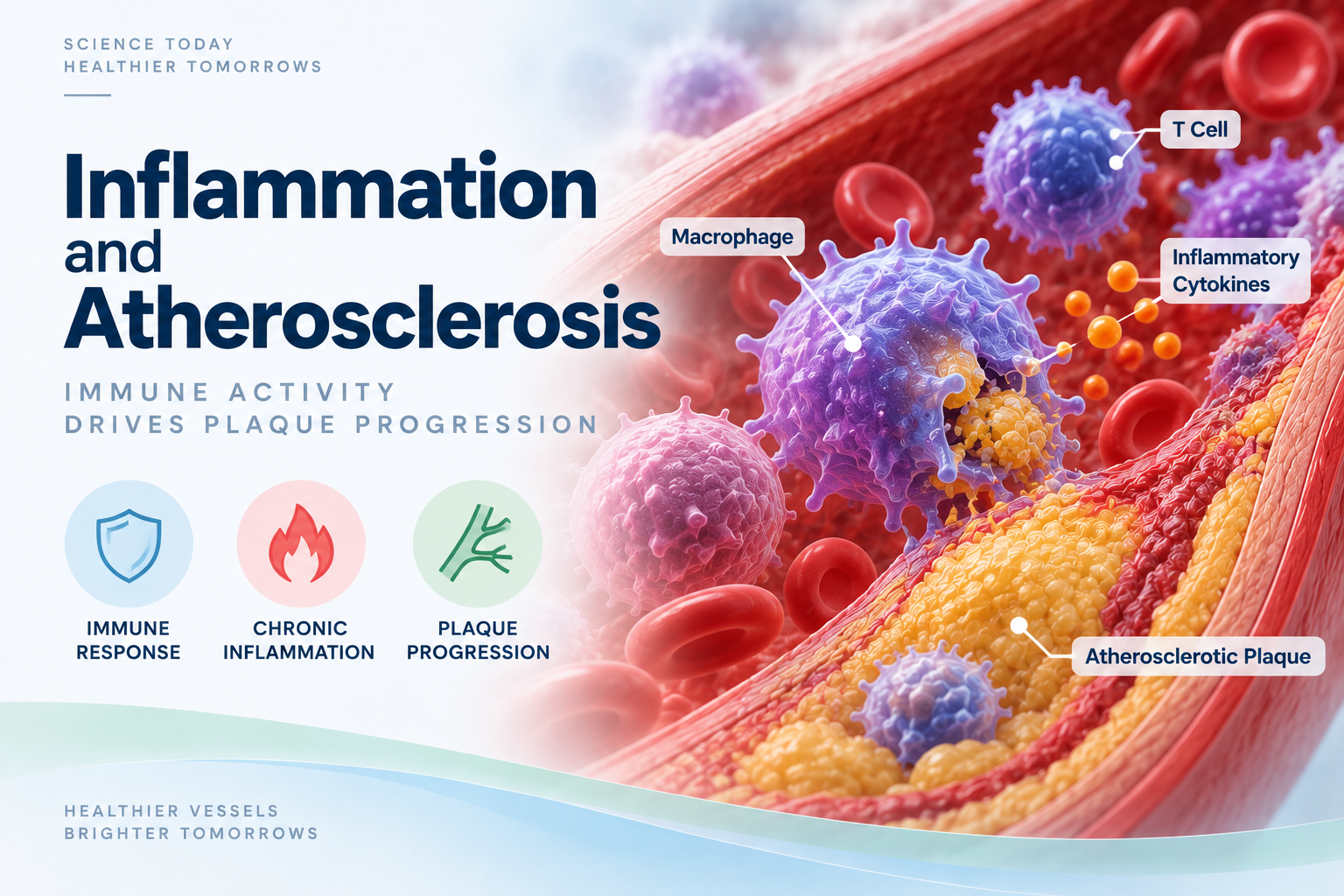
Inflammation and Atherosclerosis
Platform Published
Atherosclerosis is not simply the accumulation of cholesterol within arteries. Chronic inflammation plays an important role in the initiation and progression of atherosclerotic plaques, involving endothelial activation, immune cells, macrophages, inflammatory signaling, and interactions with lipid metabolism.
Peer-Reviewed Scientific Review
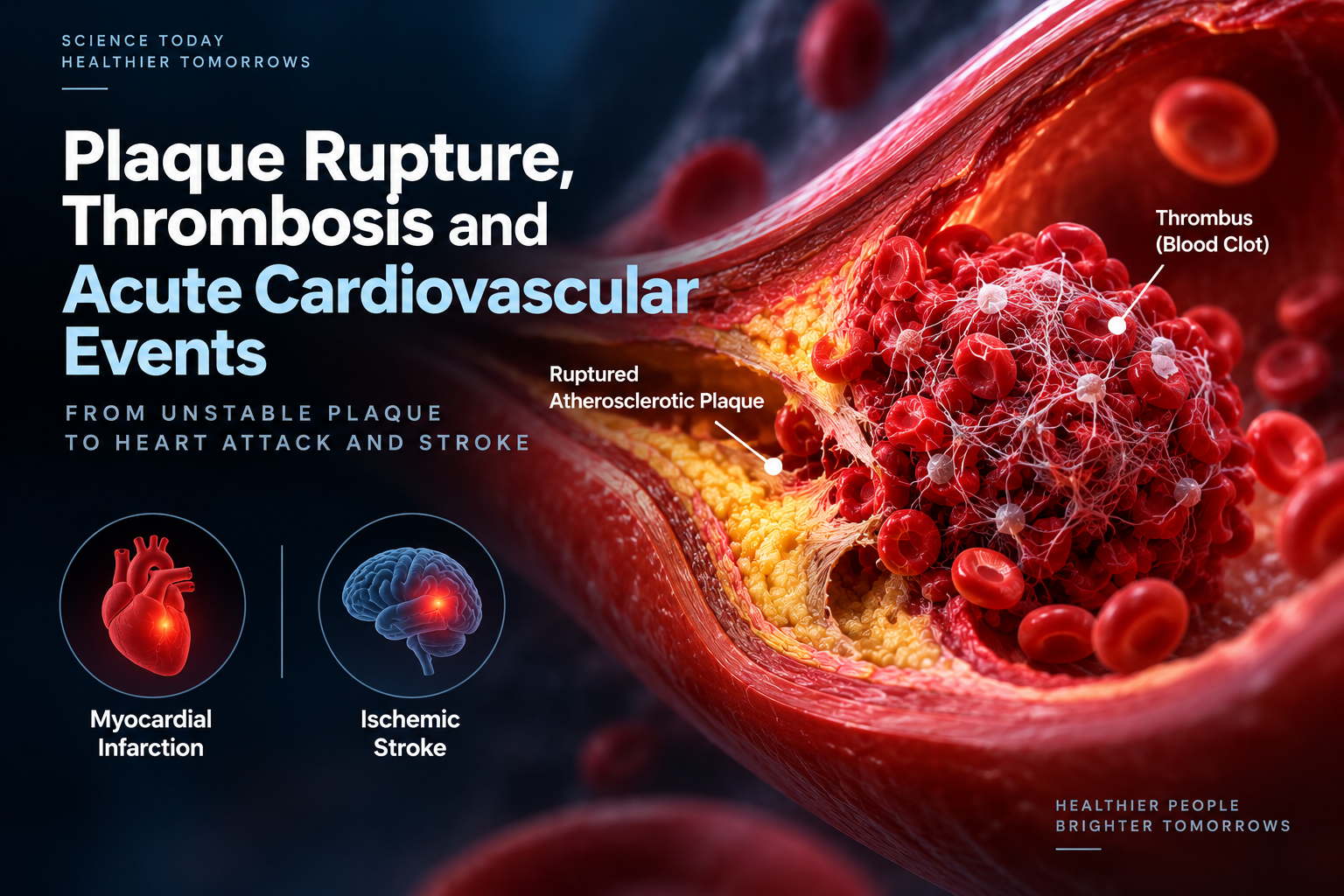
CARDIOVASCULAR HEALTH · SCIENTIFIC REVIEW
Plaque Rupture, Thrombosis and Acute Cardiovascular Events
Platform Published
Atherosclerotic plaques can become unstable and rupture or erode, exposing thrombogenic material to circulating blood. This can trigger platelet activation and blood coagulation, leading to thrombus formation and potentially obstructing arterial blood flow. These processes are central mechanisms underlying acute cardiovascular events such as myocardial infarction and ischemic stroke.
Peer-Reviewed Scientific Review
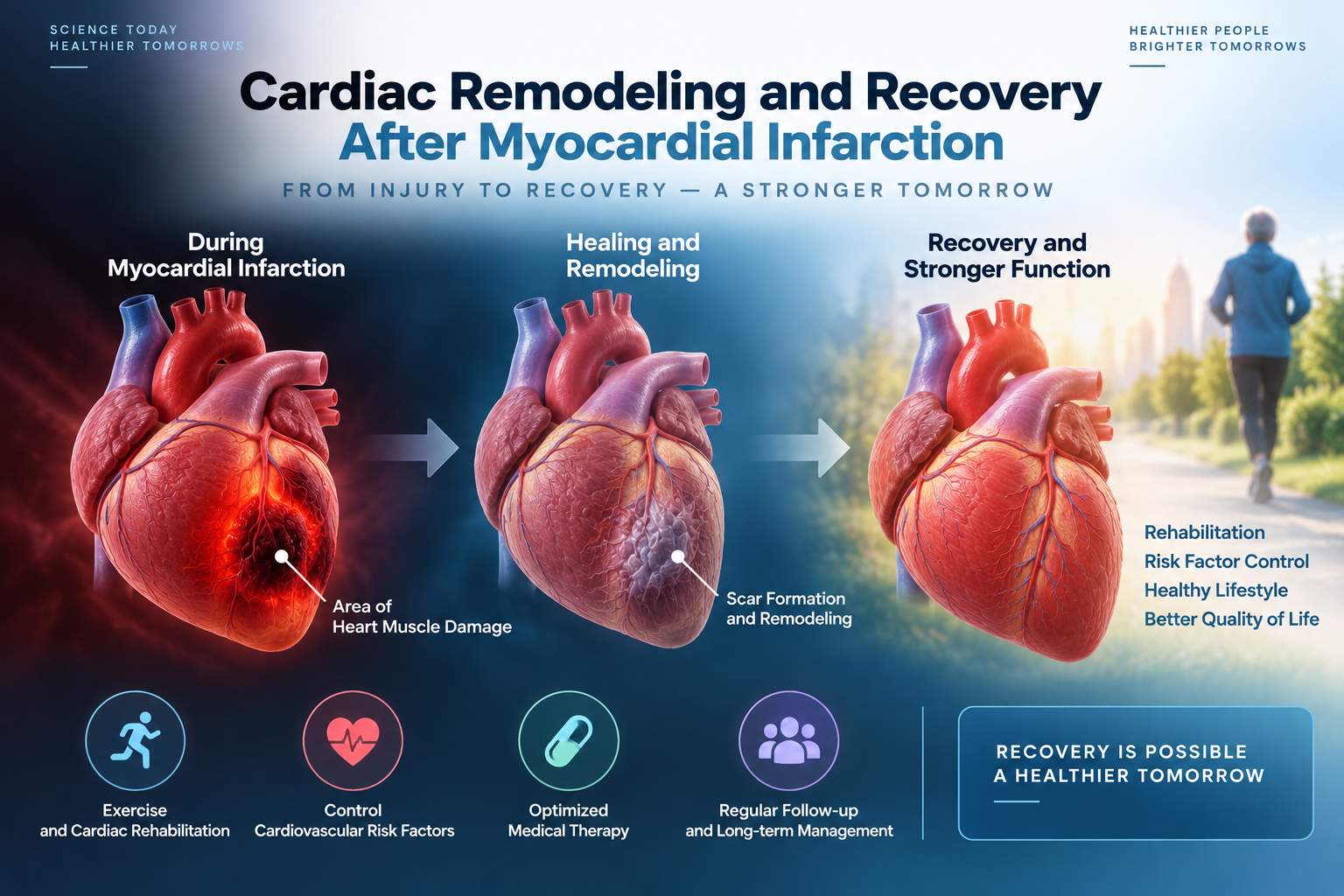
CARDIAC RECOVERY · SCIENTIFIC REVIEW
Cardiac Remodeling and Recovery After Myocardial Infarction
Platform Published
After myocardial infarction, the heart undergoes structural and functional changes known as left ventricular remodeling. Inflammation, scar formation, neurohormonal activation, changes in the extracellular matrix, and altered cardiac workload can contribute to progressive ventricular dysfunction. Cardiac rehabilitation, exercise, cardiovascular risk-factor control, and optimized medical therapy are important components of post-infarction recovery and long-term management.
Peer-Reviewed Scientific Review
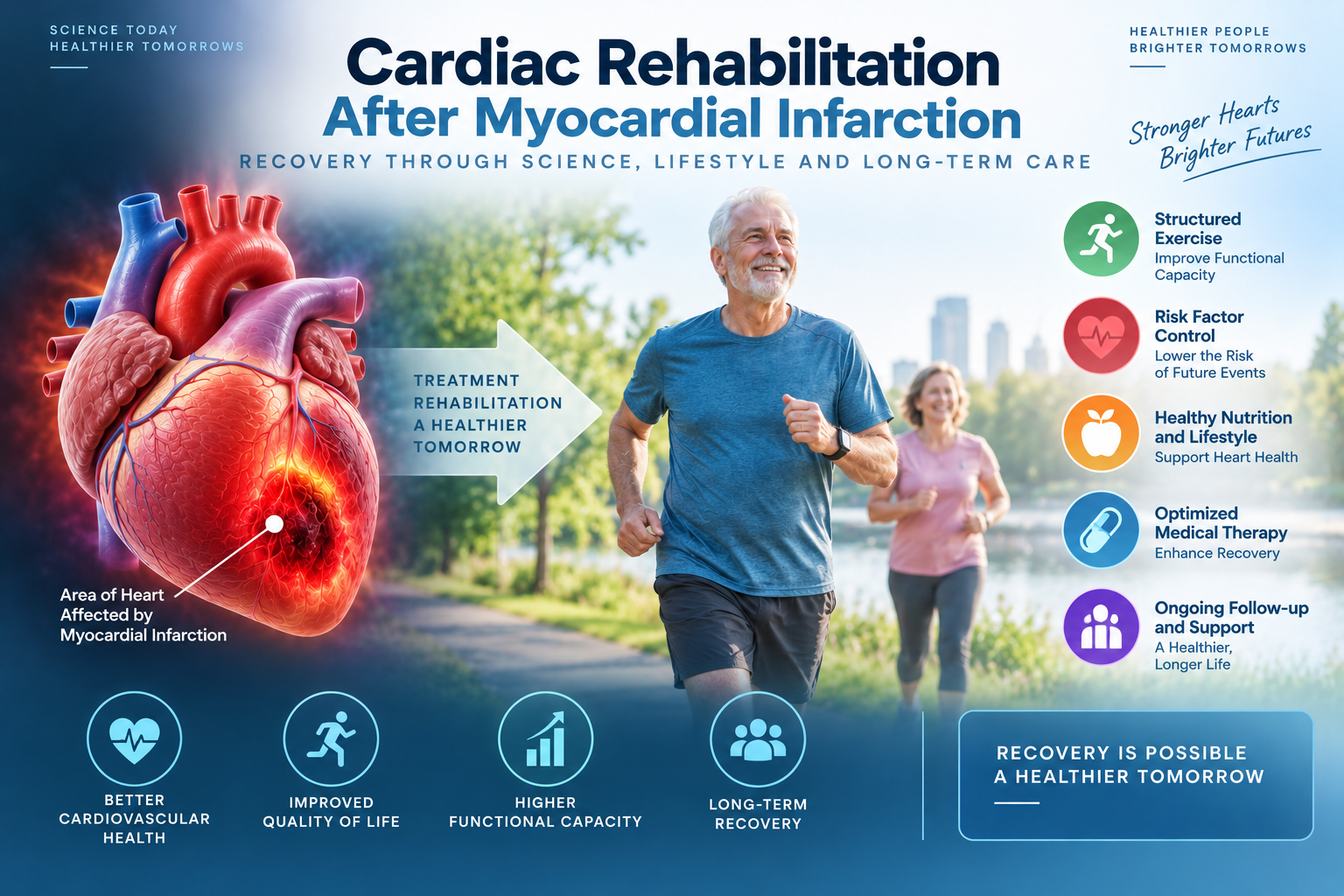
CARDIAC RECOVERY · SCIENTIFIC REVIEW
Cardiac Rehabilitation After Myocardial Infarction
Platform Published
Cardiac rehabilitation is an important component of recovery after acute myocardial infarction. Evidence supports structured rehabilitation for improving cardiovascular outcomes, while home-based programs and digital health strategies may help increase participation, adherence, accessibility, and long-term engagement in cardiac recovery.
Peer-Reviewed Scientific Review
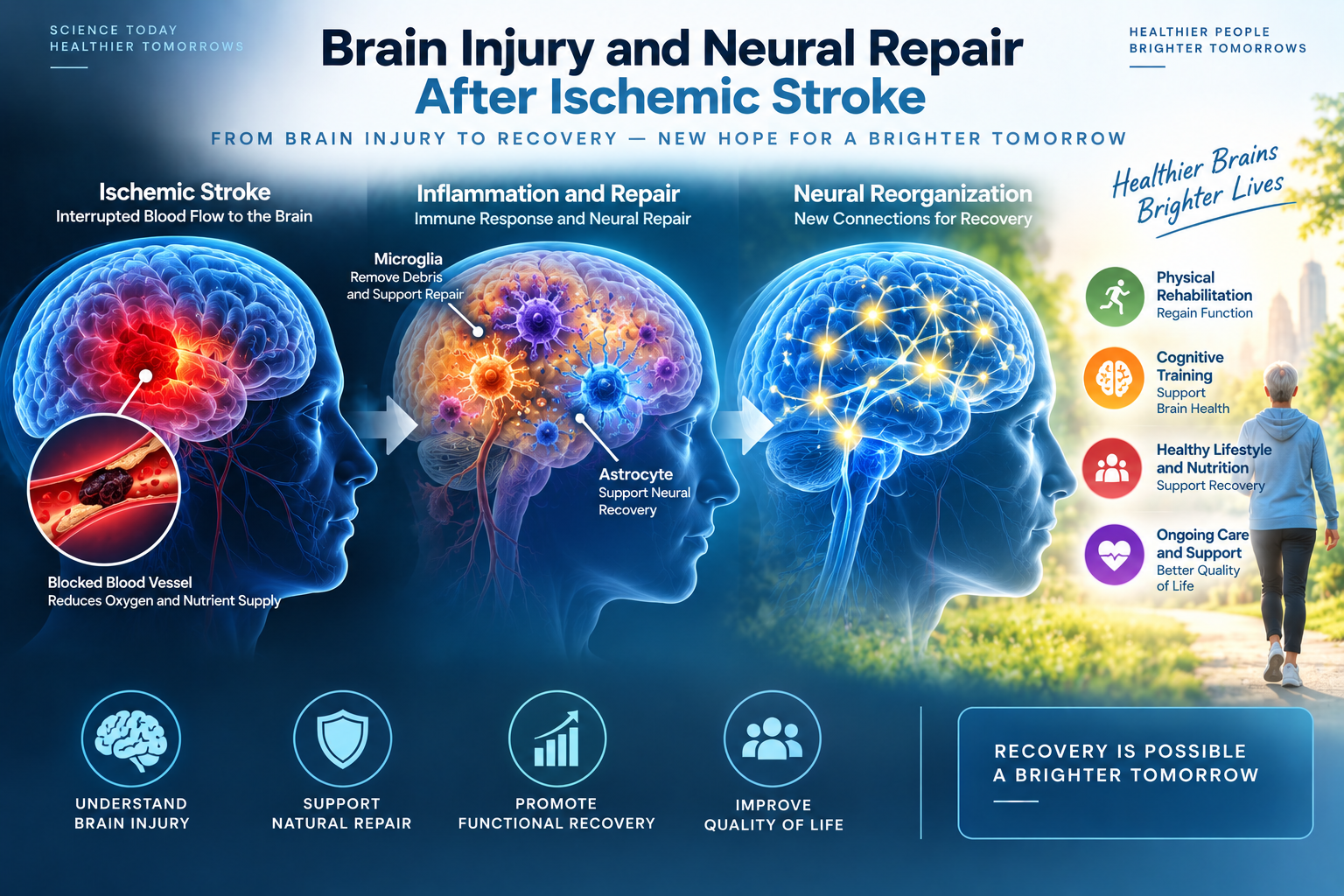
STROKE & BRAIN HEALTH · SCIENTIFIC REVIEW
Brain Injury and Neural Repair After Ischemic Stroke
Platform Published
Ischemic stroke interrupts blood flow to brain tissue, triggering neuronal injury, inflammation, and disruption of neural circuits. During recovery, immune responses gradually change and can participate in tissue repair, while surviving neural networks reorganize and form new functional connections. Understanding these processes is important for developing strategies that support neurological recovery after stroke.
Inflammation and Regeneration
STROKE RECOVERY · SCIENTIFIC REVIEW
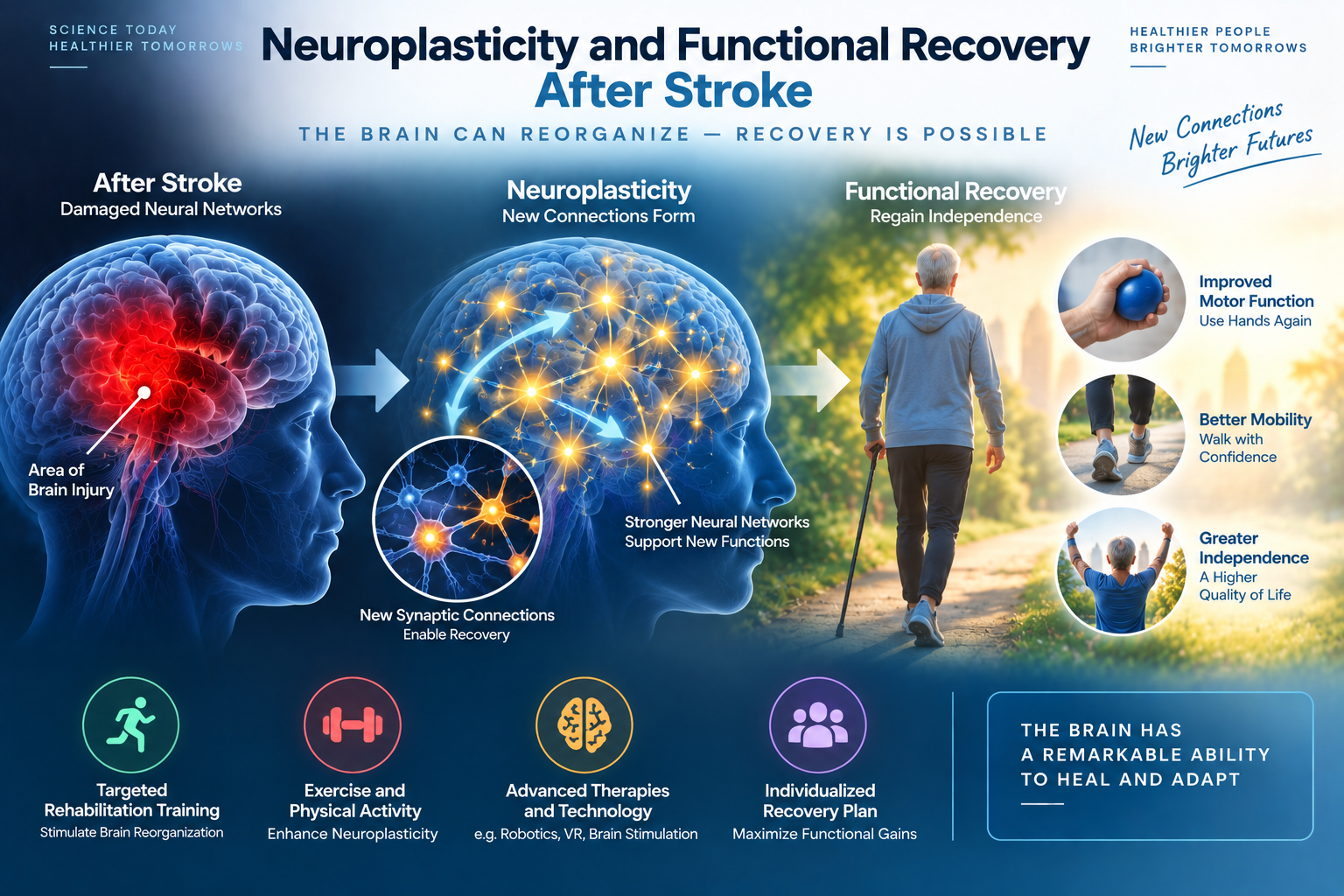
Neuroplasticity and Functional Recovery After Stroke
Platform Published
Neuroplasticity enables the brain to reorganize neural networks after stroke and is a fundamental mechanism of functional recovery. Evidence indicates that intensive, repetitive, and task-specific rehabilitation can promote adaptive brain reorganization and improve motor function and activities of daily living. Understanding both adaptive and maladaptive plasticity can help guide more effective and individualized stroke rehabilitation.
Journal of Stroke and Cerebrovascular Diseases
PREDIABETES & CANCER · META-ANALYSIS
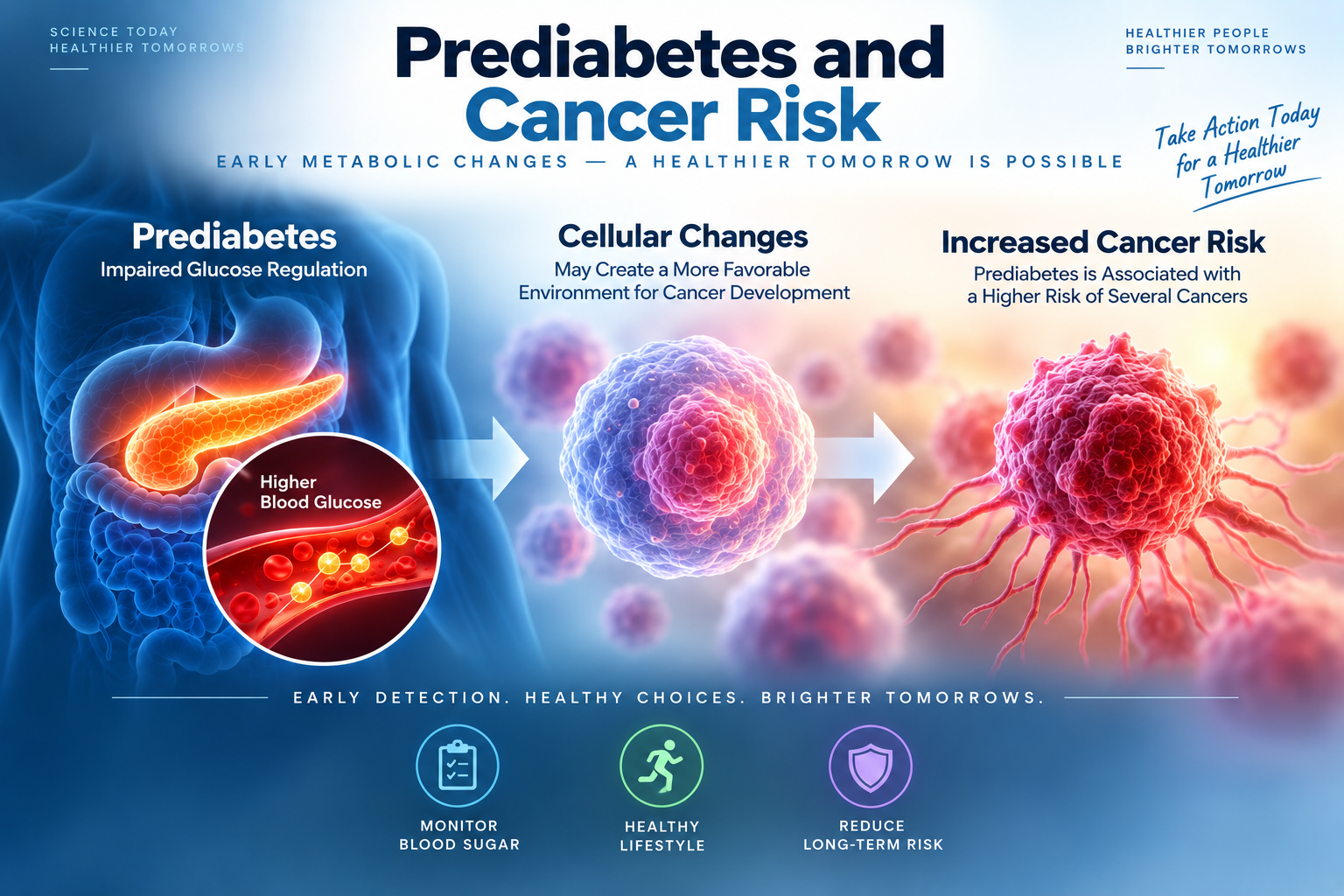
Prediabetes and Cancer Risk
Platform Published
Prediabetes is not only associated with progression to type 2 diabetes. Evidence from prospective cohort studies suggests that prediabetes is also associated with a modestly increased overall risk of cancer. Associations have been reported for several cancer types, including liver, endometrial, pancreatic, and gastrointestinal cancers. These findings highlight the broader long-term health implications of impaired glucose regulation.
Diabetologia
DIABETES & CARDIOVASCULAR HEALTH · META-ANALYSIS
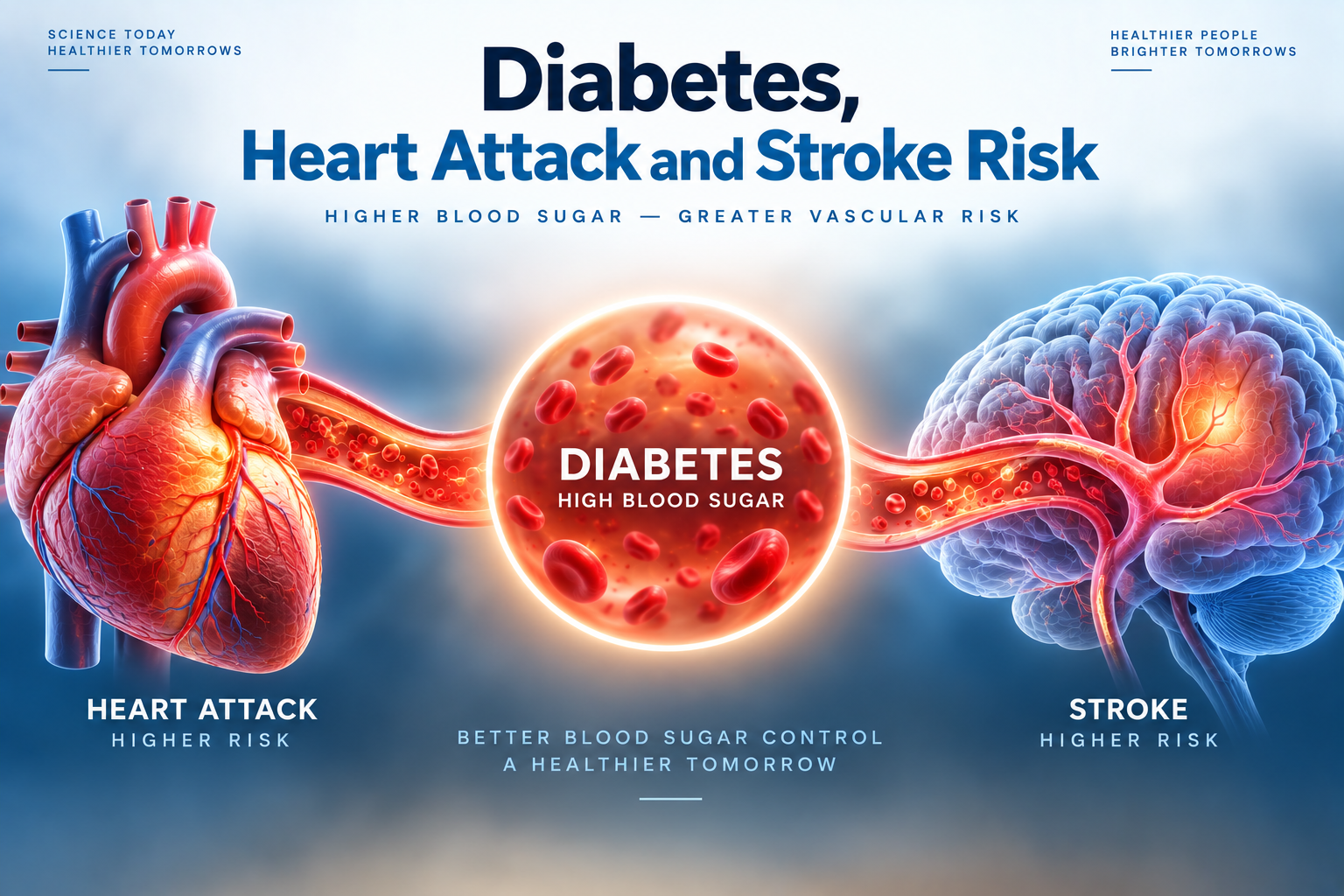
Diabetes, Heart Attack and Stroke Risk
Platform Published
Diabetes is associated with substantially increased cardiovascular risk. Large-scale prospective evidence shows that people with diabetes have approximately twice the risk of coronary heart disease and more than twice the risk of ischemic stroke compared with people without diabetes, even after accounting for several major cardiovascular risk factors. These findings demonstrate that diabetes is not only a disorder of blood glucose regulation but also an important risk factor for serious vascular disease.
The Lancet
OBESITY & CANCER · SYSTEMATIC REVIEW & META-ANALYSIS
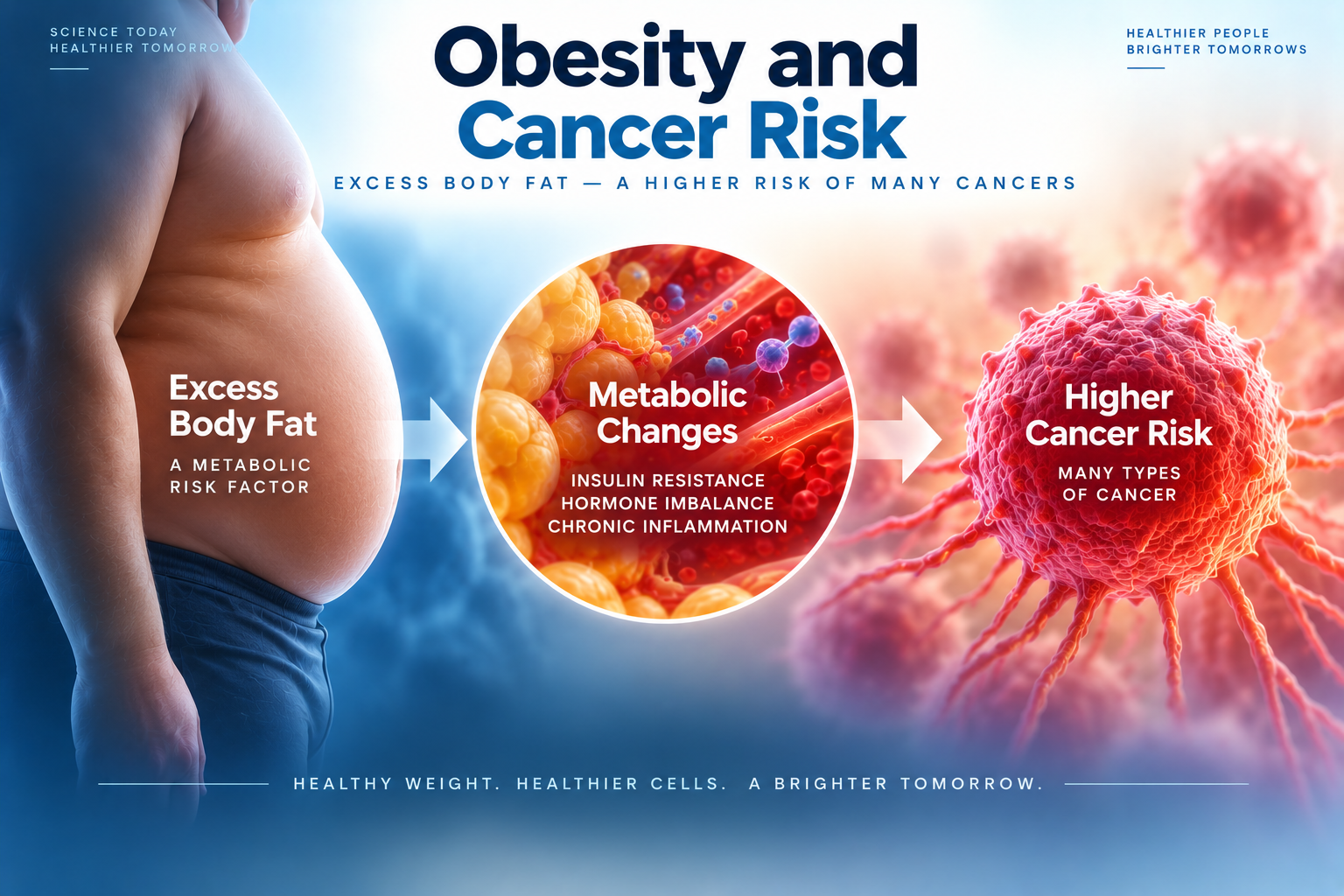
Obesity and Cancer Risk
Platform Published
Excess body fat is associated with an increased risk of many types of cancer. A large systematic review and meta-analysis of prospective studies found positive associations between body mass index and the risk of 19 cancers. Obesity may influence cancer development through interconnected metabolic and biological pathways, including insulin resistance, altered hormone signaling, chronic inflammation, and changes in adipose tissue biology.
Nature Metabolism
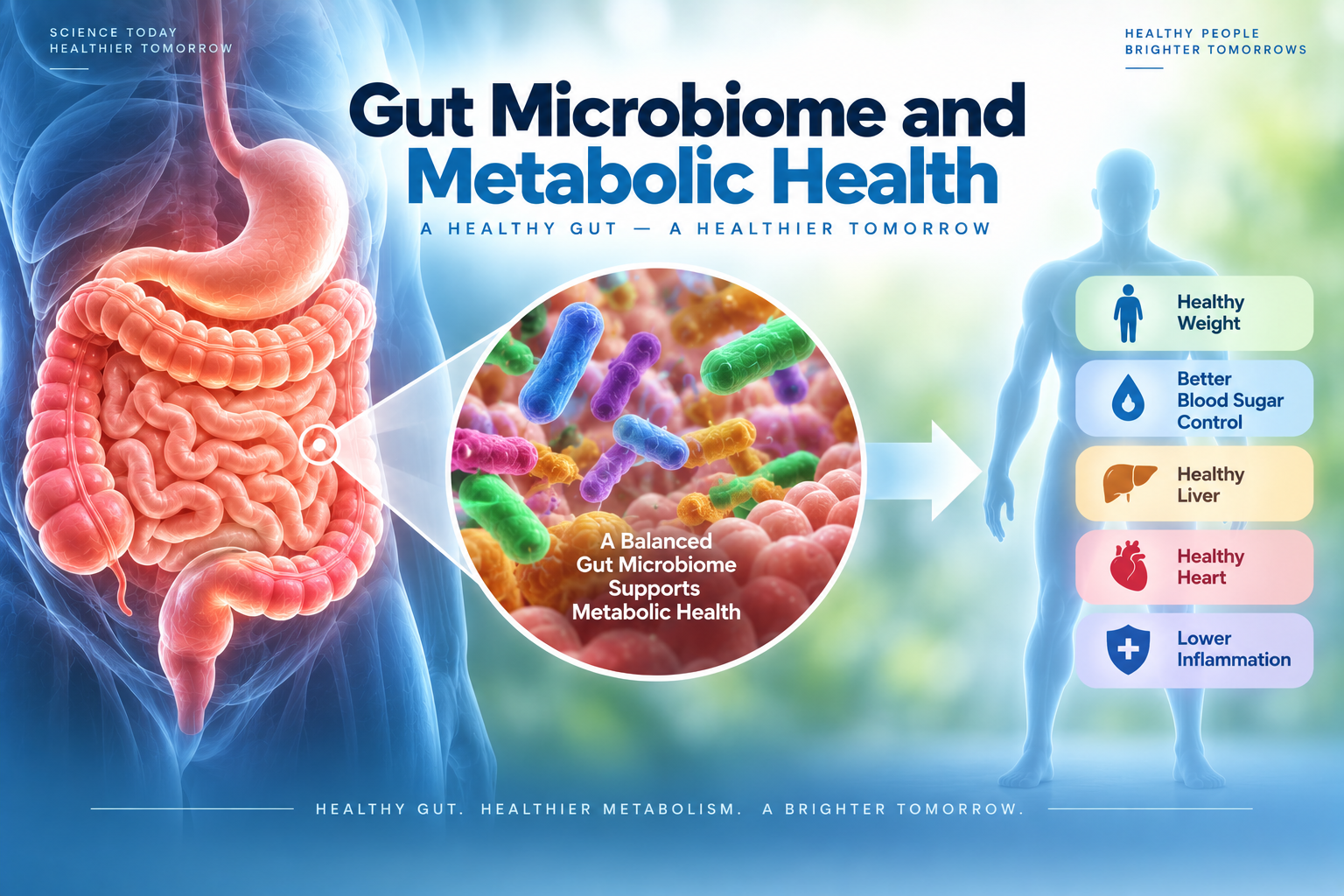
GUT & METABOLIC HEALTH · SYSTEMATIC REVIEW
Gut Microbiome and Metabolic Health
Platform Published
The gut microbiome is closely connected with human metabolic health. Alterations in the composition and function of intestinal microorganisms have been associated with obesity, insulin resistance, type 2 diabetes, fatty liver disease, and metabolic syndrome. Gut microbes may influence metabolism through pathways involving inflammation, intestinal barrier function, microbial metabolites, and interactions with diet. Understanding these relationships is opening new directions for the prevention and management of metabolic disease.
Clinical Nutrition
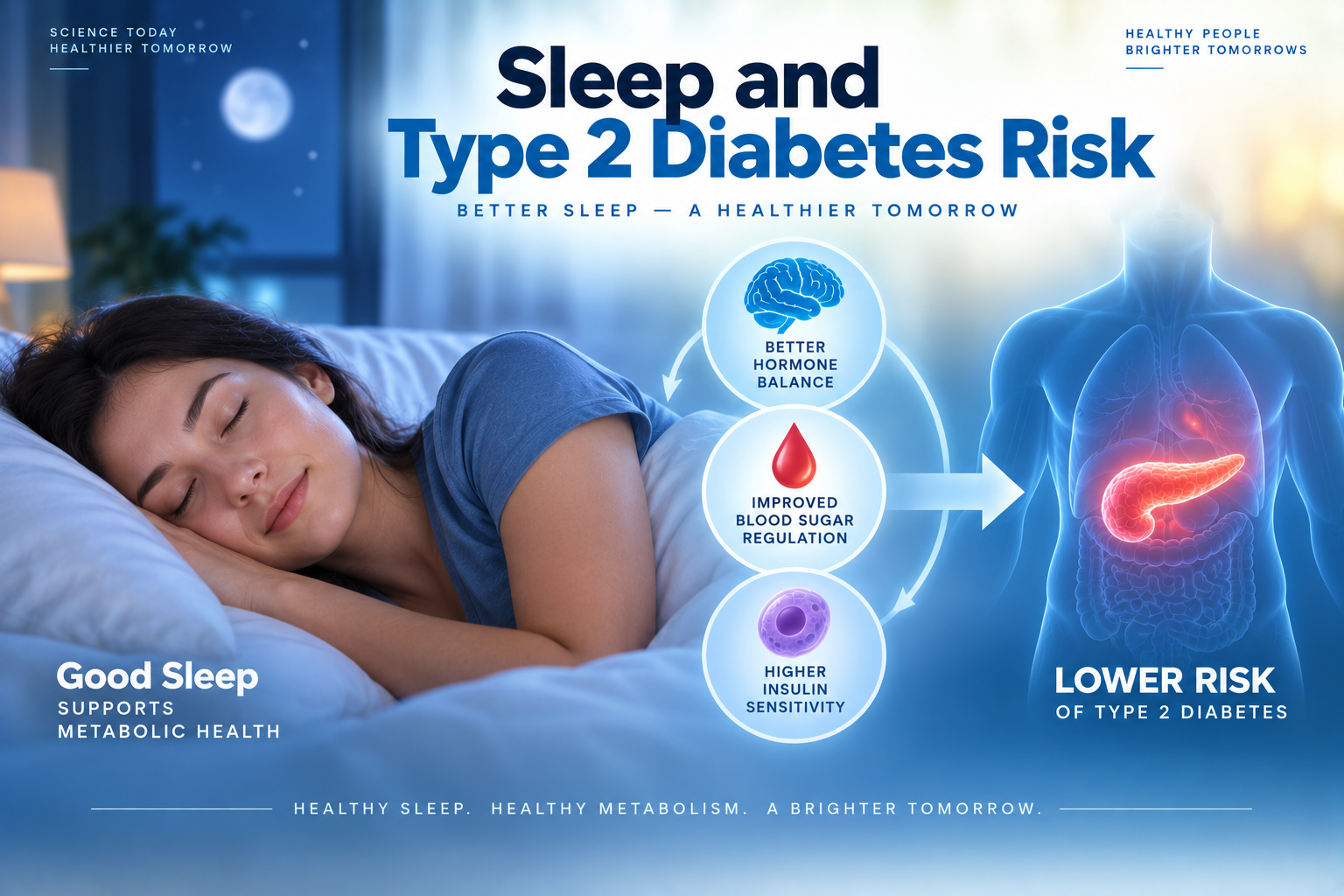
SLEEP & METABOLIC HEALTH · SYSTEMATIC REVIEW & META-ANALYSIS
Sleep and Type 2 Diabetes Risk
Platform Published
Sleep is closely connected with metabolic health and glucose regulation. A large systematic review and meta-analysis found that both short and long nighttime sleep duration were associated with a higher risk of type 2 diabetes, while poor sleep quality was also associated with increased risk. These findings highlight sleep as an important component of long-term metabolic health alongside nutrition, physical activity, and weight manageme
International Journal of Neuroscience
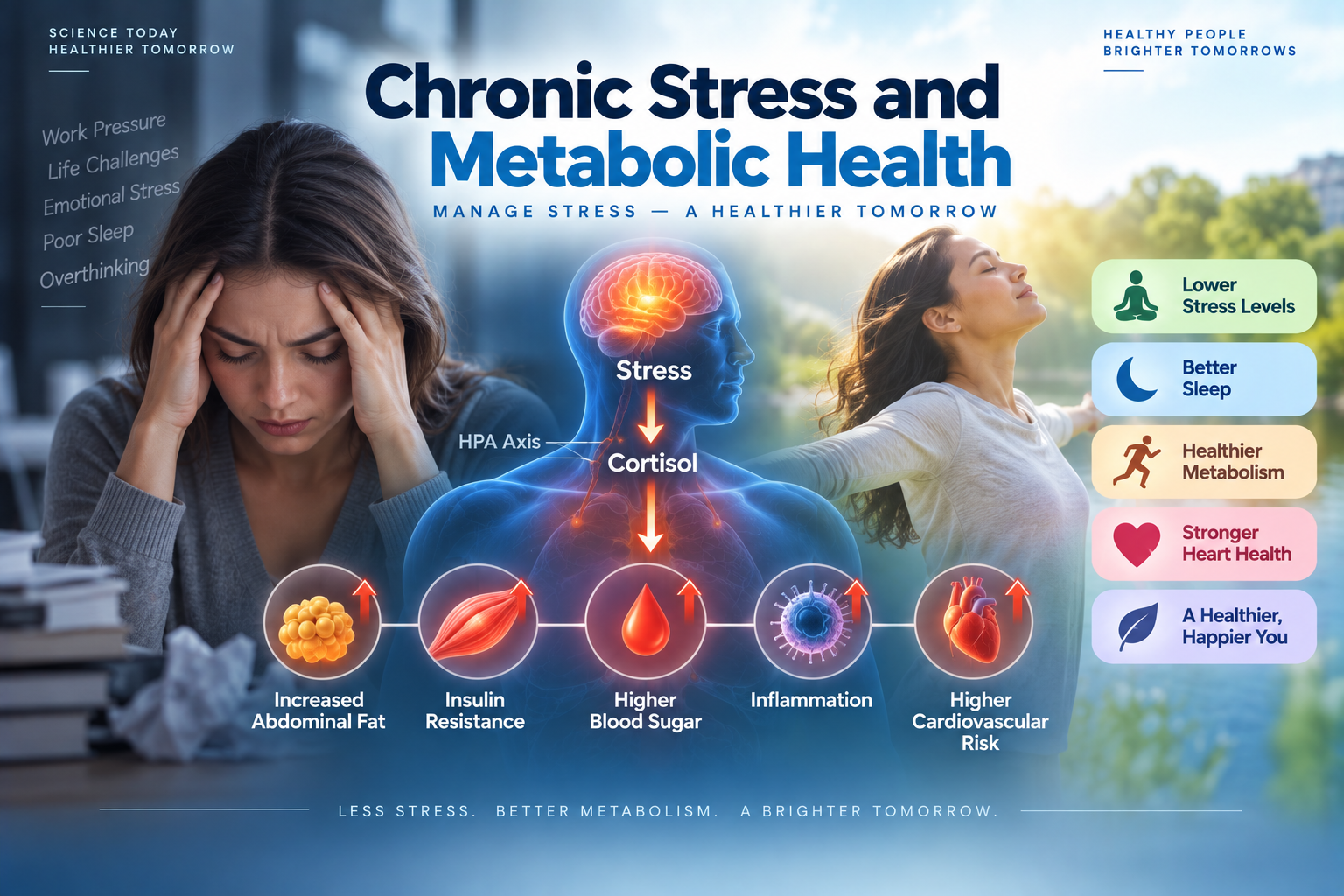
STRESS & METABOLIC HEALTH · SCIENTIFIC REVIEW
Chronic Stress, Diabetes and Cardiovascular Health
Platform Published
Chronic stress can affect metabolic and cardiovascular health through persistent changes in the body’s stress-response systems. Dysregulation of cortisol and the sympathetic nervous system may contribute to insulin resistance, elevated blood glucose, inflammation, and other cardiometabolic abnormalities. Long-term studies have associated chronic stress with a higher risk of type 2 diabetes and cardiovascular disease, highlighting stress management as an important component of long-term health.
Journal of Clinical Medicine
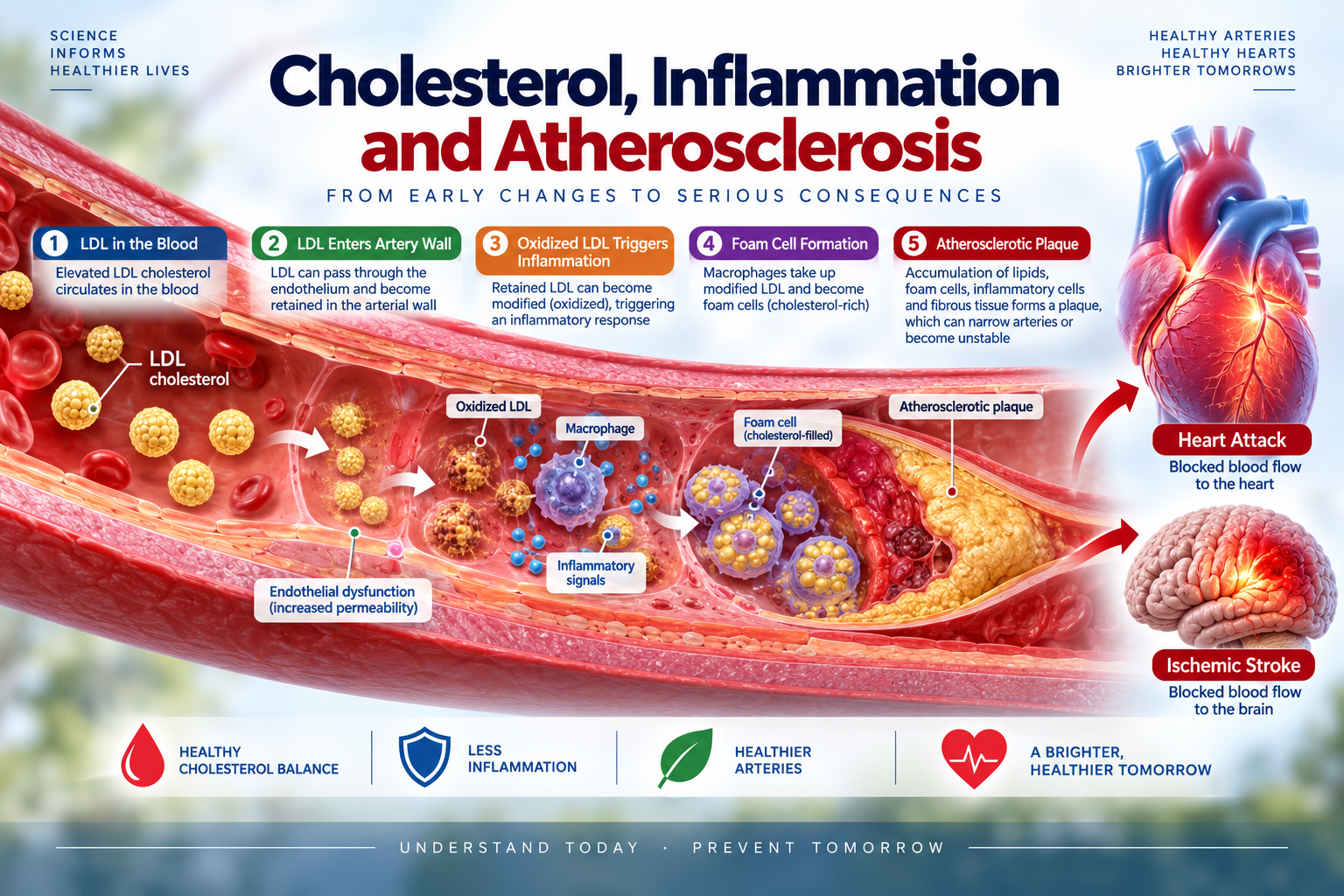
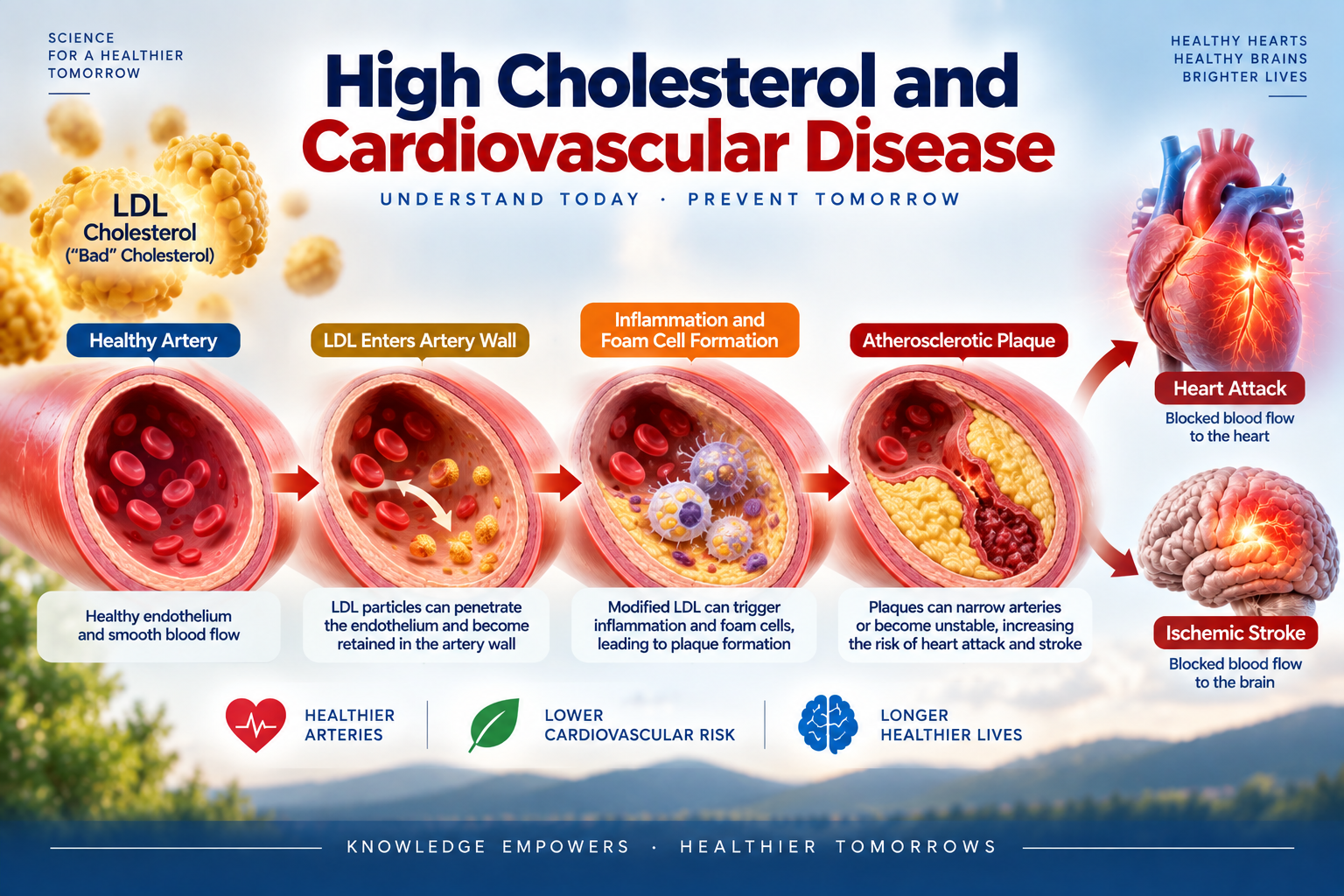
CHOLESTEROL & ATHEROSCLEROSIS · SCIENTIFIC REVIEW
Cholesterol, Inflammation and Atherosclerosis
Platform Published
Cholesterol accumulation within the arterial wall is a key process in the development of atherosclerosis. Modified and oxidized LDL can promote endothelial activation, recruitment of immune cells, formation of cholesterol-rich foam cells, and chronic inflammation within the artery wall. Over time, these processes contribute to the growth and instability of atherosclerotic plaques and increase cardiovascular risk.
International Journal of Molecular Sciences

PHYSICAL ACTIVITY & CHRONIC DISEASE · META-ANALYSIS
Physical Activity and Chronic Disease Prevention
Platform Published
Regular physical activity is associated with a lower risk of major chronic diseases and premature death. Large-scale evidence shows that higher levels of non-occupational physical activity are associated with lower risks of cardiovascular disease, several cancers, and all-cause mortality. Importantly, substantial health benefits can be achieved by moving from physical inactivity to even moderate levels of activity.
British Journal of Sports Medicine
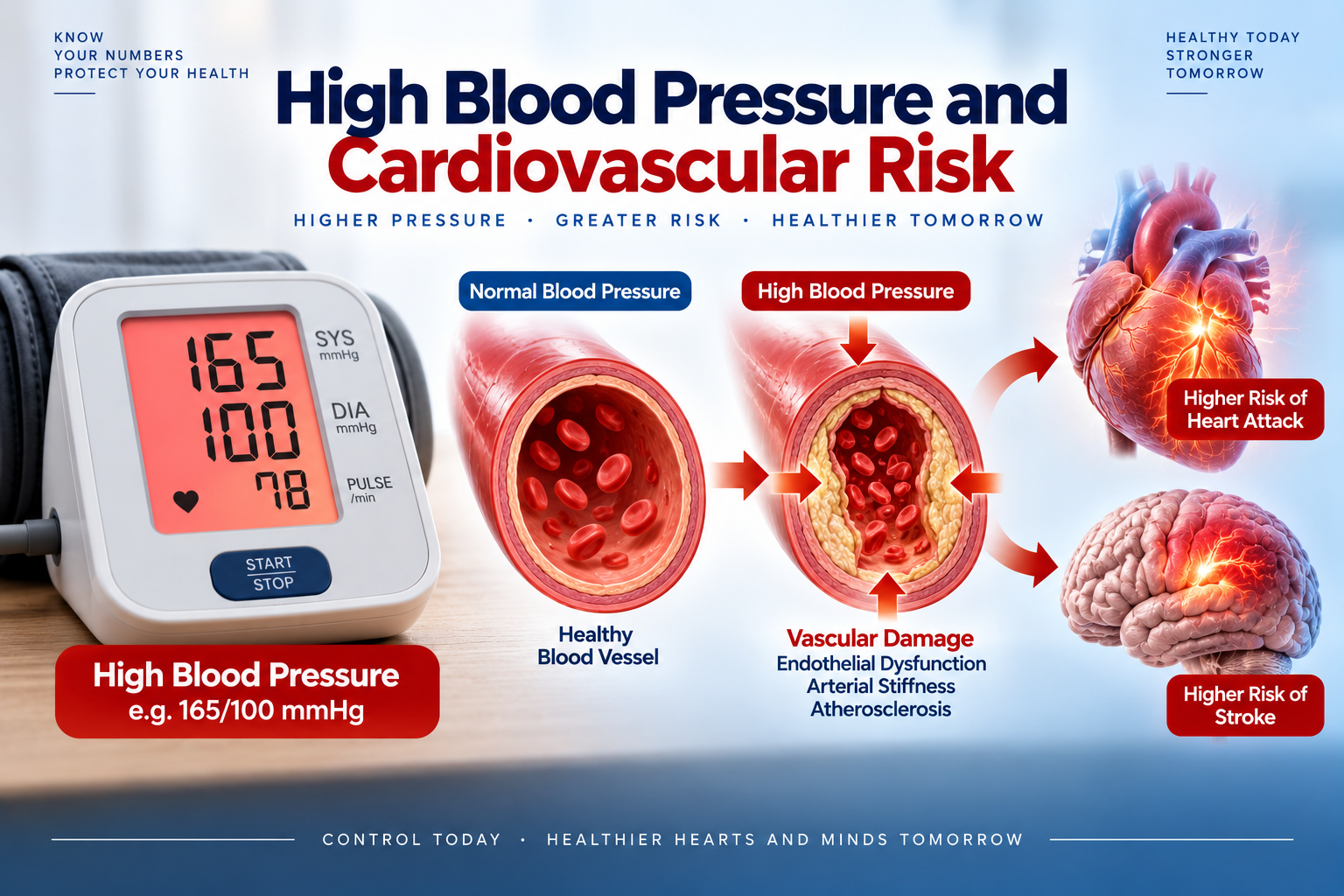
HYPERTENSION & CARDIOVASCULAR HEALTH · SCIENTIFIC REVIEW
High Blood Pressure and Cardiovascular Risk
Platform Published
High blood pressure is a major modifiable risk factor for cardiovascular disease. Over time, hypertension can contribute to endothelial dysfunction, arterial stiffness, vascular remodeling, and atherosclerosis, increasing the risk of heart attack, stroke, heart failure, and other cardiovascular complications. Effective blood pressure management is therefore an important part of long-term cardiovascular risk reduction.
Current Hypertension Reports
NUTRITION & CHRONIC DISEASE · PROSPECTIVE STUDY
Healthy Dietary Patterns and Chronic Disease Prevention
Platform Published
Long-term dietary patterns are closely associated with the risk of major chronic diseases. Evidence from large prospective cohorts shows that greater adherence to healthy dietary patterns is associated with a lower risk of cardiovascular disease, type 2 diabetes, and cancer. Dietary patterns emphasizing high-quality foods, particularly plant-based foods, while limiting less healthy dietary components may support long-term metabolic and cardiovascular health.
Nature Medicine
CARDIOVASCULAR & METABOLIC HEALTH · SCIENTIFIC REVIEW
Insulin Resistance and Cardiovascular Disease
Platform Published
Insulin resistance is a major metabolic abnormality linking type 2 diabetes, obesity, metabolic syndrome, and cardiovascular disease. It can contribute to endothelial dysfunction, inflammation, abnormal lipid metabolism, and other changes that increase cardiovascular risk.
Peer-Reviewed Scientific Review